• Travel Nepal with local experts
  • 24/7 Support
LIMITED OFFER

Spring 2025 Early Bird: Get up to 25% Off on All Himalayan Treks

Everest Base Camp Trek in Winter

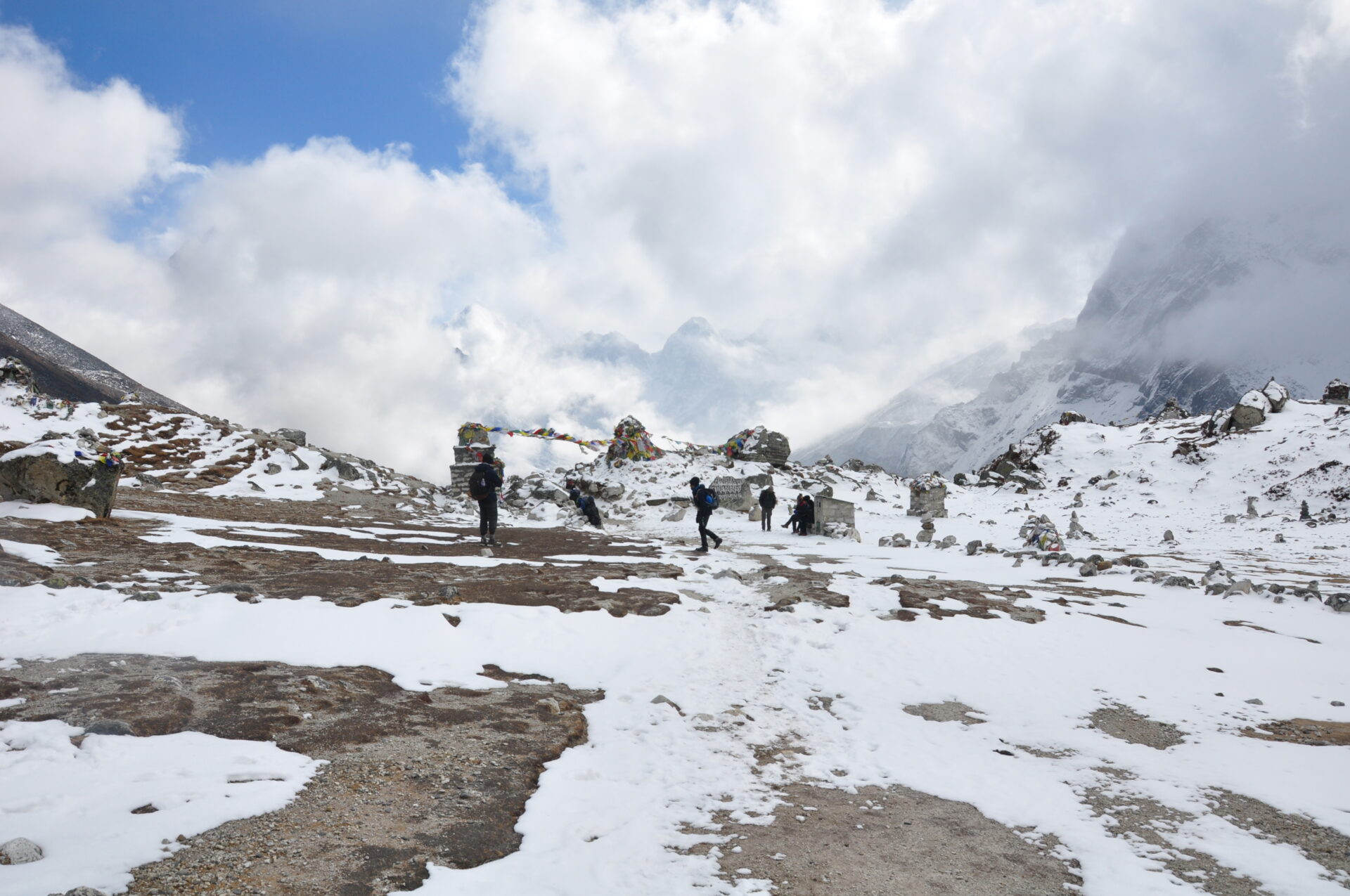
In December, January, and February, Nepal experiences its winter season. During this time, the days are a bit warmer than the nights and early mornings. However, as the season progresses, the nights get colder, often dropping below freezing.

Temperature Details

In December, daytime temperatures hover around 4°C, but at night, they can plummet to around -14°C. As we move into the middle of winter, temperatures throughout the Everest region drop even further, often reaching below freezing at night. Despite the cold nights, the days can be sunny and warm while trekking.

February marks the end of winter and the beginning of spring. During this month, the days become warmer, and visibility improves. However, there may still be snow along the trail, so it’s essential to watch out for slippery paths and wear shoes with good grip. The temperature in February ranges from 4°C to -14°C.

Preparing for Winter Trekking

Despite the chilly weather, trekking in winter is possible with the right preparation. It’s important to dress warmly, wear sturdy shoes, and be cautious of slippery terrain. Additionally, be mindful of the windy conditions and potential snowfall, ensuring you stay safe and warm throughout your journey.

Tips to Stay Warm

Besides wearing the right clothes, there are a few other tricks to stay warm during your Winter trek. Drink lots of fluids to stay hydrated, even if you don’t feel thirsty. Eating warm, high-calorie meals helps keep your energy up. Take breaks to warm up and stretch, and let your body get used to the high altitude slowly.

Things That Affect the Temperature

A few things make it so cold on the Everest Base Camp trek in February. One big factor is the high altitude. As you climb higher, the air gets thinner and colder. Plus, being close to the Himalayas means dealing with strong winds and snow, which makes it even colder.

Safety Always Comes First

Trekking in extreme cold can be risky, so it’s important to stay safe. Keep an eye out for signs of frostbite and hypothermia, like numbness or confusion. If you notice any of these signs, find shelter and warmth right away. Always listen to your body and be ready to change your plans if the weather gets bad.

Benefits of Everest Base Camp Trek In Winter

During peak seasons like spring and autumn, finding accommodation in tea houses and lodges along the trail can be challenging due to the large number of trekkers. However, in December, January, and February, it’s much easier to find a place to stay because it’s not as busy. With fewer trekkers around, you can enjoy nature at your own pace, taking in the peaceful landscapes.

Getting tickets for flights to Lukla is hassle-free during the winter season. With fewer travelers, you can easily secure a seat, and you may even find discounts available.

Flight tickets are more accessible during the winter months, and you might even score some discounts due to the offseason. You don’t need to worry about pre-booking, and discounts make flights more affordable.

Tea houses and lodges along the trails offer quality service at lower prices during the offseason, making your trek more budget-friendly. Whether it’s flights or accommodation, you’ll find great deals everywhere.

Unforgettable Highlights of the Everest Base Camp Trek

Exciting Scenic Flight: Begin your adventure with an exciting scenic flight from Kathmandu to Lukla, featuring a dramatic landing that sets the tone for your journey ahead.

Immersive Sherpa Culture: Experience the rich customs and cultures of the Sherpa people as you trek through their villages, gaining insight into their way of life.

Breathtaking Mountain Views: Marvel at the 360° panoramic view of snowy mountains from Kala Patthar, including the fabulous sight of majestic Mt. Everest itself.

Thrilling Adventure: Embark on an adventurous and thrilling trekking experience, crossing swinging suspension bridges and encountering breathtaking landscapes along the way.

Visit Tengboche Monastery: Explore the ancient Tengboche Monastery, one of the oldest monasteries in the Everest region, and soak in the spiritual atmosphere of this sacred place.

Witness the Khumbu Glacier: Witness the impressive Khumbu Glacier, the largest glacier in the Everest region, and behold its stunning beauty up close.

Mesmerizing Mountain Scenery: Be captivated by the mesmerizing views of towering mountains surrounding you at every turn, creating unforgettable memories.

Explore Sagarmatha National Park: Discover the diverse wildlife and rare flowers of Sagarmatha National Park, home to a wide range of fascinating species.

Cross Swinging Suspension Bridges: Feel the thrill as you cross swinging suspension bridges, adding an extra element of excitement to your trekking adventure.

In Conclusion

Whether you brave the cold of Winter or choose a milder season, the Everest Base Camp trek promises incredible views and a sense of accomplishment. With the right preparation and attitude, you can handle the cold and experience the wonder of the world’s highest peak. So, plan carefully, bundle up, and get ready for an adventure you’ll never forget.
Nepal Untouched Beauty: Exploring Shey Phoksundo Lake

Nestled in the heart of the Dolpa district lies a hidden gem of natural beauty and cultural significance – the Shey Phoksundo National Park, home to the breathtaking Shey Phoksundo Lake. Covering an expansive 3,555 square kilometers, this pristine wilderness is Nepal’s largest trans-Himalayan sanctuary. Its unique landscape features lush juniper forests and rugged terrain, offering a pristine wilderness experience. At the heart of this sanctuary sits Shey Phoksundo Lake, a sparkling jewel amidst the majestic mountains, inviting travelers to immerse themselves in its serene waters and awe-inspiring surroundings.

Divided into Upper and Lower Dolpo, the park spans across Dolpa and Mugu districts. Access to Upper Dolpo requires specific permits due to its remote and unexplored nature. Amidst the park’s rugged grandeur, visitors discover untouched beauty and serenity, making it an isolated paradise for nature enthusiasts and adventurers alike.

Discovering Shey Phoksundo National Park

Located at coordinates 29º10’24″N 82º56’12″E, Shey Phoksundo National Park is more than just a protected area; it’s a sanctuary teeming with life and wonder. Its traditional name, Yungdrung Lhatso, speaks to its deep-rooted spiritual importance, drawing pilgrims and trekkers alike to its sacred grounds.

A Natural Wonderland

Shey Phoksundo National Park boasts an unparalleled variety of flora and fauna, from elusive snow leopards and musk deer to vibrant endemic butterflies. The park is a testament to Nepal’s biodiversity, with birch, juniper, oak, and cedar forests painting the landscape in a kaleidoscope of colors. During the trek to Phoksundo Lake, you’ll traverse dense forests housing diverse tree species like oaks, pines, and firs. Along the route, you’ll encounter suspension bridges and traditional towns.

The Majesty of Phoksundo Lake

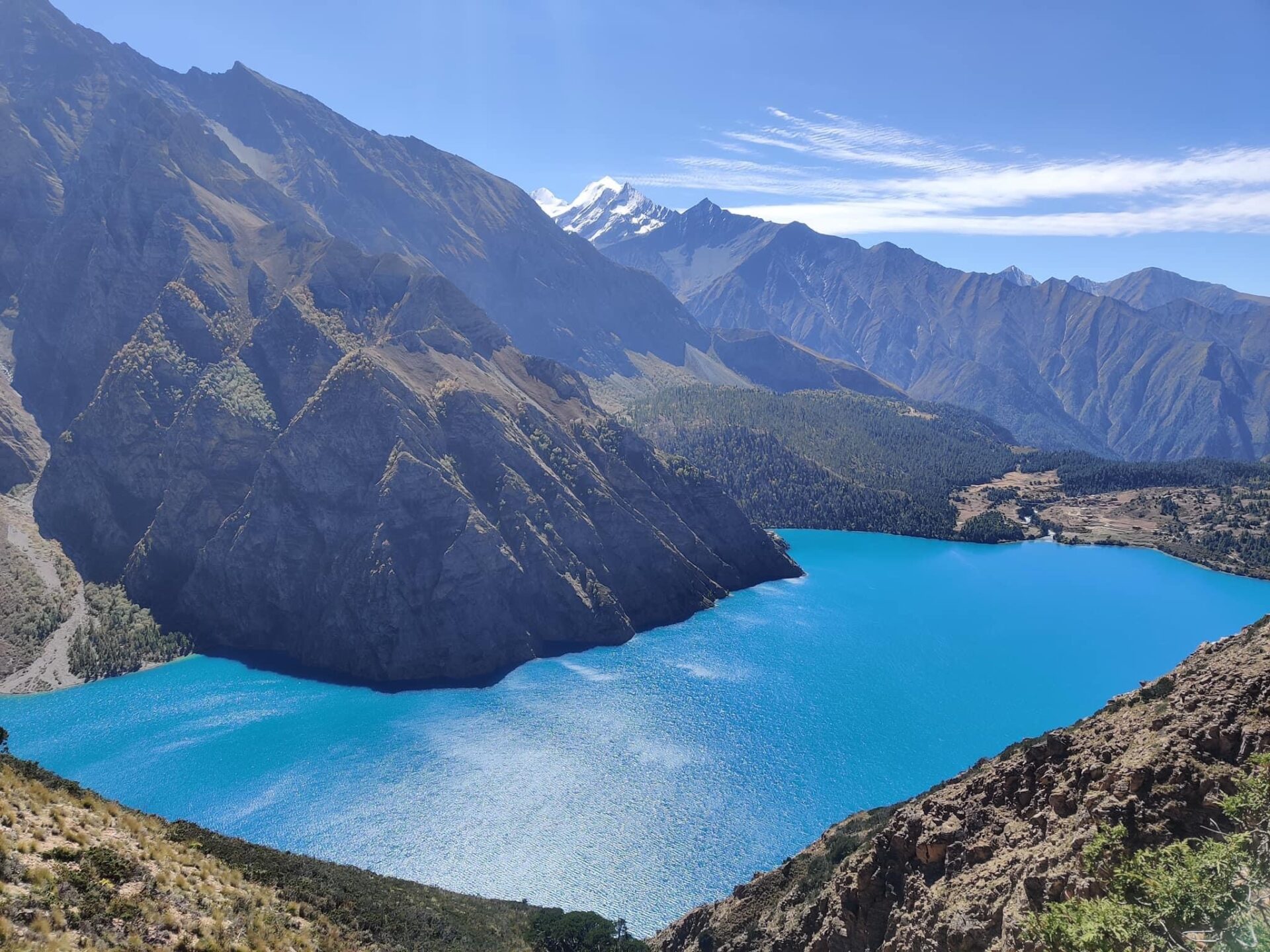
At the heart of the national park lies the jewel of the Dolpo region – Phoksundo Lake. This glacially dammed, oligotrophic lake mesmerizes visitors with its azure waters and tranquil surroundings. With a maximum depth of 145 meters and covering an area of 4.94 square kilometers, Phoksundo Lake is a sight to behold.

Cultural Riches

The cultural myth surrounding Phoksundo Lake adds another layer of intrigue to its allure. Legend has it that Guru Rinpoche, in pursuit of a demoness, unleashed the wrath of the lake upon deceitful villagers, submerging their homes in its cerulean depths. To the north lies Tshowa Monastery, while Ringmo Village lies to the south, known for its Bon-Po culture. Hikers can explore monasteries like Shey Gompa and Thasung Gompa during their mountain journey.

The deepest lake in Nepal

Phoksundo Lake, nestled in Nepal’s Dolpo region, is renowned for its sacredness and stunning blue-green hues. At an elevation of 3,640 meters, it attracts thousands of visitors yearly. It’s not only Nepal’s deepest lake but also one of its most pristine. Spanning 5.15 square kilometers with a maximum depth of 145 meters, it features over 20 stupas along its southern shore and holds deep cultural significance. Set against the majestic Kanjieowa mountains, its breathtaking turquoise waters make it one of the world’s most scenic destinations.

Tips for the Trek

For those embarking on the Shey Phoksundo Lake Trek, preparation is key. Light rain, scorching sun, and chilly breezes await, so pack accordingly. Snacks and amenities may be scarce along the trail, so it’s wise to carry provisions and first-aid supplies. Additionally, don’t forget a power bank for your gadgets, as electricity is a luxury in these remote lands.

Exploration Awaits

As you traverse the rugged terrain of Shey Phoksundo National Park, take time to immerse yourself in the local culture. Greet villagers with a warm “Namaste” or “Tashi Delek” and delve into the intricacies of their traditional lifestyle and handicrafts.

Phoksundo Lake Trek Itinerary

Embarking on the Phoksundo Lake Trek is a journey like no other. From the bustling streets of Kathmandu to the tranquil shores of Phoksundo Lake, each step unveils new wonders and experiences.

  • Day 1: Arrive in Kathmandu and prepare for your adventure.
  • Day 2: Fly to Nepalgunj and prepare for your flight to Juphal.
  • Day 3: Trek from Juphal to Dunai, immersing yourself in the natural beauty of the region.
  • Day 4: Continue your trek to Chhekpa, marveling at the stunning landscapes along the way.
  • Day 5: Journey to Jharana Hotel, where the sound of cascading waterfalls awaits.
  • Day 6: Trek to Phoksundo Lake and witness its ethereal beauty firsthand.
  • Day 7: Spend a day exploring Ringmo village and the surrounding monasteries.
  • Day 8: Begin your descent back to Chhepka, taking in the sights one last time.
  • Day 9: Return to Juphal and prepare for your journey back to Kathmandu.
  • Day 10: Departure day, bidding farewell to the wonders of Shey Phoksundo National Park.

In Conclusion

As your adventure in Shey Phoksundo National Park comes to a close, take a moment to reflect on the memories made and the beauty witnessed. From the depths of Phoksundo Lake to the towering peaks of the Himalayas, this journey is one you’ll cherish for a lifetime. So, until we meet again, may your travels be filled with wonder and discovery. Farewell, and may the spirit of Nepal guide your path.

High Altitude Adventure: A Guide to the Annapurna Base Camp Trek

Are you ready for an incredible adventure in the heart of the majestic Annapurna region? The Annapurna Base Camp trek is not just a journey of distance; it’s a magical exploration of natural wonders and cultural richness. In this blog, we’ll take you through the key details of the trek, focusing on the distances covered each day, the breathtaking landscapes, and the overall experience of this amazing trek.

The Magnificent Annapurna Region:

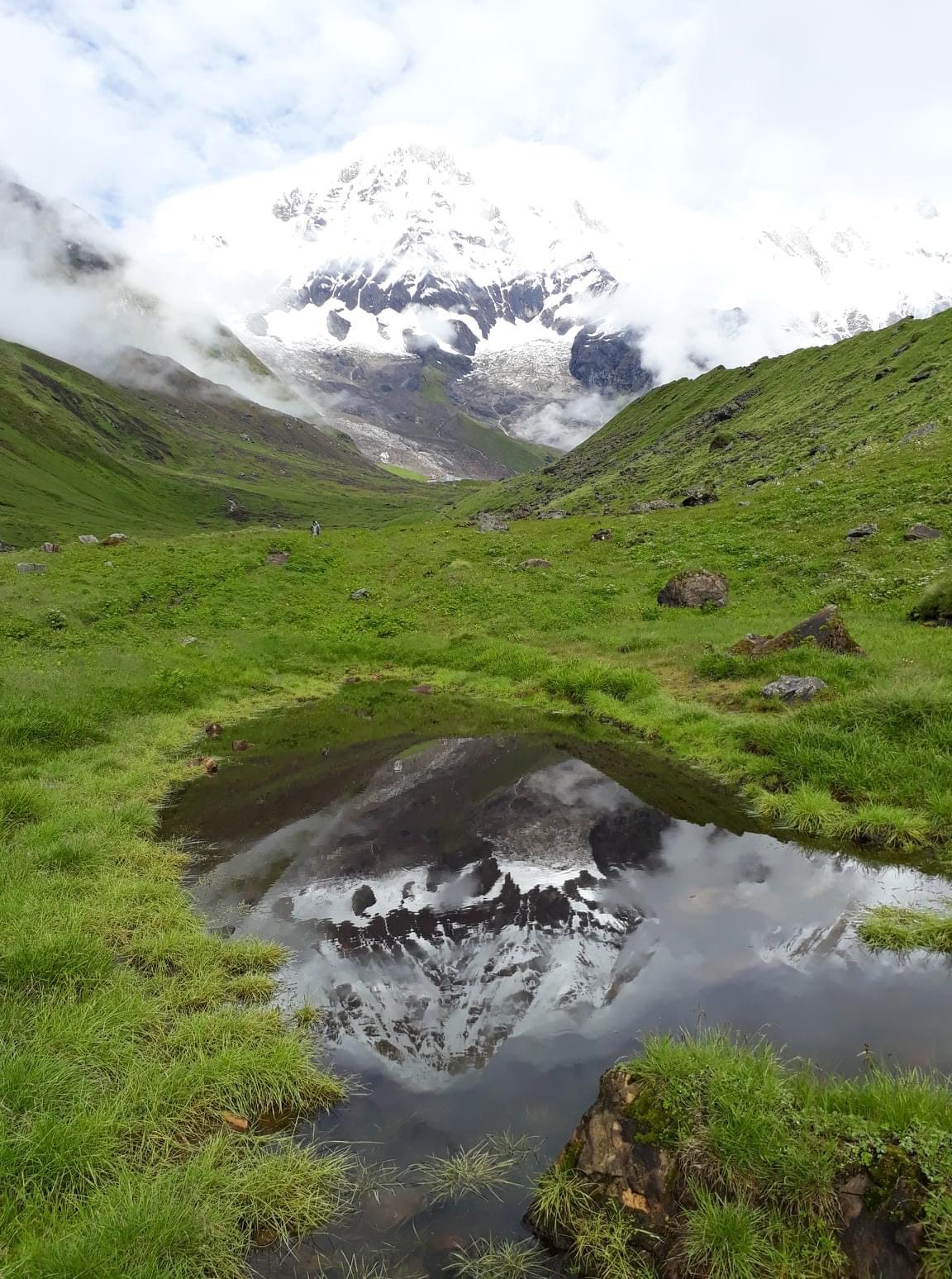
Nestled in the lap of the Annapurna Sanctuary, the Annapurna Base Camp (ABC) stands at an elevation of 4,130 meters above sea level. This trek is renowned for its captivating mountain views and the unique blend of natural and cultural beauty found throughout the region.

The Journey Begins in Pokhara:

The trek kicks off in the enchanting City of Lakes, Pokhara, offering a glimpse of the diverse landscapes and vibrant culture that lie ahead. From Pokhara, the trail weaves through picturesque bamboo forests and cascading waterfalls, setting the stage for the incredible adventure awaiting trekkers.

Day-by-Day Trek Highlights:

  1. Ulleri – Day 1:
    • Distance: 1.8km/1.1 miles
    • Terrain: Steep stone stairs
    • Overview: A gentle start to the trek with a climb to Ulleri, emphasizing the importance of hydration and acclimatization.
  2. Ghorepani – Day 2:
    • Distance: 10.3km/6.4 miles
    • Highlights: Ascend through lush forests, traverse suspension bridges, and reach Ghorepani for panoramic views of snow-clad peaks.
  3. Poon Hill to Tadapani – Day 3:
    • Distance: 11km/6.8 miles
    • Sunrise at Poon Hill, followed by a trek through rhododendron forests to Tadapani.
  4. Chhomrung – Day 4:
    • Distance: 11km/6.9 miles
    • Highlights: Descend through rainforests, encounter Gurung villages, and explore the cultural beauty of Chhomrung.
  5. Dovan – Day 5:
    • Distance: 11.2km/7 miles
    • Terrain: Steep descents, bamboo forests
    • Scenery: Experience the biodiversity of the Annapurna Conservation Area.
  6. Machhapuchchhre Base Camp – Day 6:
    • Distance: 13km/8.1 miles
    • Highlights: Trek through bamboo and rhododendron forests, with mesmerizing views at Machhapuchchhre Base Camp.
  7. Annapurna Base Camp – Day 7:
    • Distance: 2.9km/1.8 miles
    • Elevation: Reach the heart of the Annapurna Sanctuary, surrounded by snow-clad peaks.
  8. Return Journey – Days 8-10:
    • Trek back through familiar trails, enjoying sunrise views, and finally concluding the trek with lasting memories.

Understanding the Distance:

The Annapurna Base Camp Trek covers a total distance of approximately 115 kilometers, with daily treks ranging from 1.8 to 13 kilometers. On average, trekkers can expect to walk for 4 to 6 hours each day, immersing themselves in the diverse landscapes and cultural gems that define the Annapurna region.

Best Season for the Trek:

The trek is best enjoyed during the autumn (September to November) and spring (March to May) seasons when the weather is pleasant, and the views are clear. These seasons offer an ideal environment for a comfortable and rewarding trekking experience.

Tips for a Successful Trek:

  1. Acclimatize Gradually:
    • Take advantage of acclimatization days to help your body adjust to higher altitudes.
  2. Stay Hydrated:
    • Drink plenty of water to combat the effects of altitude and keep yourself energized.
  3. Enjoy the Journey:
    • Take it easy, listen to your body, and relish the stunning landscapes and cultural encounters.

The Annapurna Base Camp trek and let each step be a testament to the beauty of nature and the spirit of adventure. This journey is not just about the distance; it’s about discovering the soul-stirring allure of the Himalayas.

A Fantastic Journey: Trekking from India to China through Nepal

Imagine taking a special trek from the southern part of Nepal, near India, all the way up to the northern border with China. This amazing trek, known as the ‘Nepal Border to Border Thru Hike,’ covers 440 kilometers and lets you experience the beauty of Nepal in just 17 days. From low areas to high mountains, this adventure is a chance to see different landscapes and learn about Nepal’s culture.

The Trekking Path:
Starting from Khunuwa at the Indian border, the journey includes stops at Ramapithecus Park, Palpa Tansen, Aryabhanjyang, Keladighat, Ghiring, Sising, Tanahun Bandipur, Gorkha, Dhading, Nuwakot, and Rasuwa, finally reaching the Kerung Pass in China. Trekkers can choose different sections based on what they like, making the adventure flexible.

Beautiful Views:
As you climb from the lower Terai region at 60 meters to the high Kerung Pass at 4,080 meters, you’ll be treated to amazing views. The trek passes through historical places and tourist spots, giving you a mix of natural beauty and interesting cultural sites.

All-Season Adventure:
The best part is that you can do this trek at any time of the year. Whether it’s sunny or snowy, the trail remains open. This means you can enjoy Nepal’s different climates and landscapes throughout the year.

Staying with Locals:
For a more authentic experience, the trek offers various accommodation options like homestays, small hotels, and camps in villages. This not only saves costs but also lets you connect with local people and learn about their way of life.

Discovering Culture:
The trek is like a bridge that connects foreign tourists from India and China to Nepal’s rich culture. From ancient temples to traditional villages, each stop reveals a unique part of Nepal’s cultural heritage.

The ‘Nepal Border to Border Thru Hike’ is not just a walk; it’s a special journey through the heart of Nepal. This new route promises adventure, cultural exploration, and amazing views, making it perfect for anyone who loves trekking and wants to discover the hidden treasures of Nepal. So, put on your walking shoes and let the ‘India to China Border to Border Trek’ be your gateway to Nepal’s wonderful stories and landscapes.